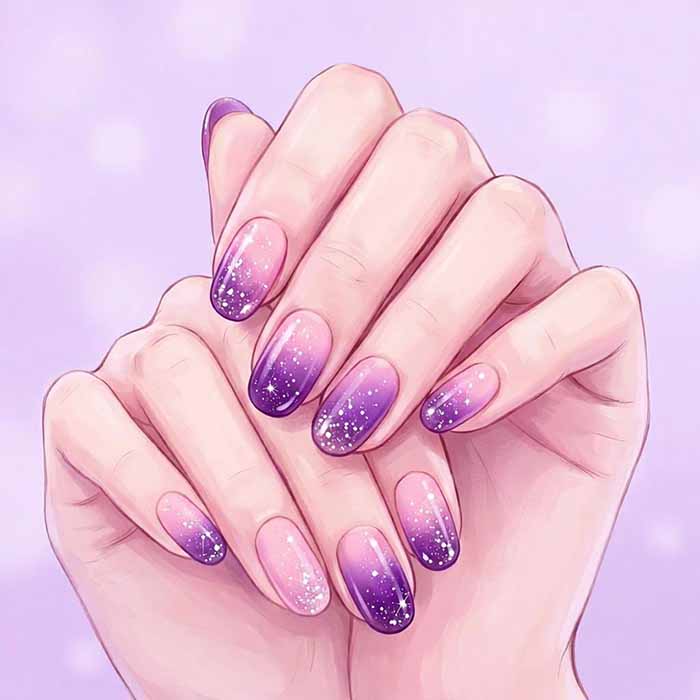
For years, the beauty industry has pushed the narrative that long, dramatic nails are the pinnacle of elegance. But if you’ve ever struggled with typing, buttoning a shirt, or simply living your life with long talons, you know the truth: short nails are not only practical—they can be stunning.
Here’s everything you need to know about embracing short nails, from their surprising advantages to the best shapes, care routines, and designs that make them shine.
The Underrated Advantages of Short Nails
Short nails offer a range of benefits that long nails simply cannot match.
Practicality and comfort. Short nails are infinitely more practical for daily life. Typing, cooking, cleaning, and even picking up small objects become effortless. No more awkward texting, no more scratching your own skin, no more broken nails from everyday activities. Short nails are also significantly less likely to snag on clothing, hair, or fabrics, which means fewer painful accidents and less damage to the nail plate. For anyone with an active lifestyle—gym-goers, healthcare workers, parents, musicians—short nails are a necessity, not a compromise.
Strength and durability. Short nails are inherently stronger than long ones because there’s less leverage to break them. A nail that extends beyond the fingertip is a lever: the longer it is, the more force is applied to the stress point (the “apex” of the nail). Short nails have less surface area to catch and bend, making them far less prone to splitting, peeling, and breaking. This is particularly important for people with naturally thin or brittle nails—keeping them short is often the most effective way to prevent breakage.
Professional and versatile appearance. Short nails look polished and put-together in any setting. They’re appropriate for conservative workplaces, formal events, and casual weekends alike. Unlike long, decorated nails that can sometimes look out of place or unprofessional, short nails project a clean, competent image that never goes out of style.
Healthier nail beds. Short nails are easier to keep clean, reducing the risk of bacterial and fungal infections. There’s less space for debris to accumulate under the free edge, and you’re less likely to traumatize the nail bed through accidental bumps and catches. For people who wear contact lenses, short nails are essential—they prevent scratching the cornea and make lens removal safer.
The Ideal Shapes for Short Nails
The shape you choose can dramatically affect how your short nails look. Here are the most flattering options:
Squoval (Square Oval). This is the undisputed champion for short nails. It combines the clean lines of a square shape with softly rounded corners, creating a balanced, elegant silhouette that doesn’t look boxy or harsh. Squoval nails are durable, practical, and universally flattering, making them the top recommendation for most people.
Round. For the shortest nails, round is an excellent choice. The shape follows the natural curve of your fingertip, creating a soft, unassuming look that’s incredibly practical and low-maintenance. Round nails are the least likely to snag or break, making them ideal for those who work with their hands.
Oval. If you have slightly longer short nails (a few millimeters past the fingertip), an oval shape can elongate your fingers and create a feminine, graceful appearance. The tapered sides draw the eye upward, making short fingers appear longer and more slender.
Almond (shorter version). Yes, almond is possible on short nails—just a gently tapered shape that rounds at the tip. It’s a chic, elegant option that adds a touch of sophistication without requiring significant length. It may not be as durable as squoval or round, so save it for special occasions.
What to avoid. Sharp square corners are a big no-no on short nails. They catch on everything, look harsh, and can actually make your fingers appear wider and more square. Extreme stiletto or coffin shapes are also impractical and will break almost immediately on short nails.
How to Care for Short Nails
Short nails need consistent care to stay healthy and look their best.
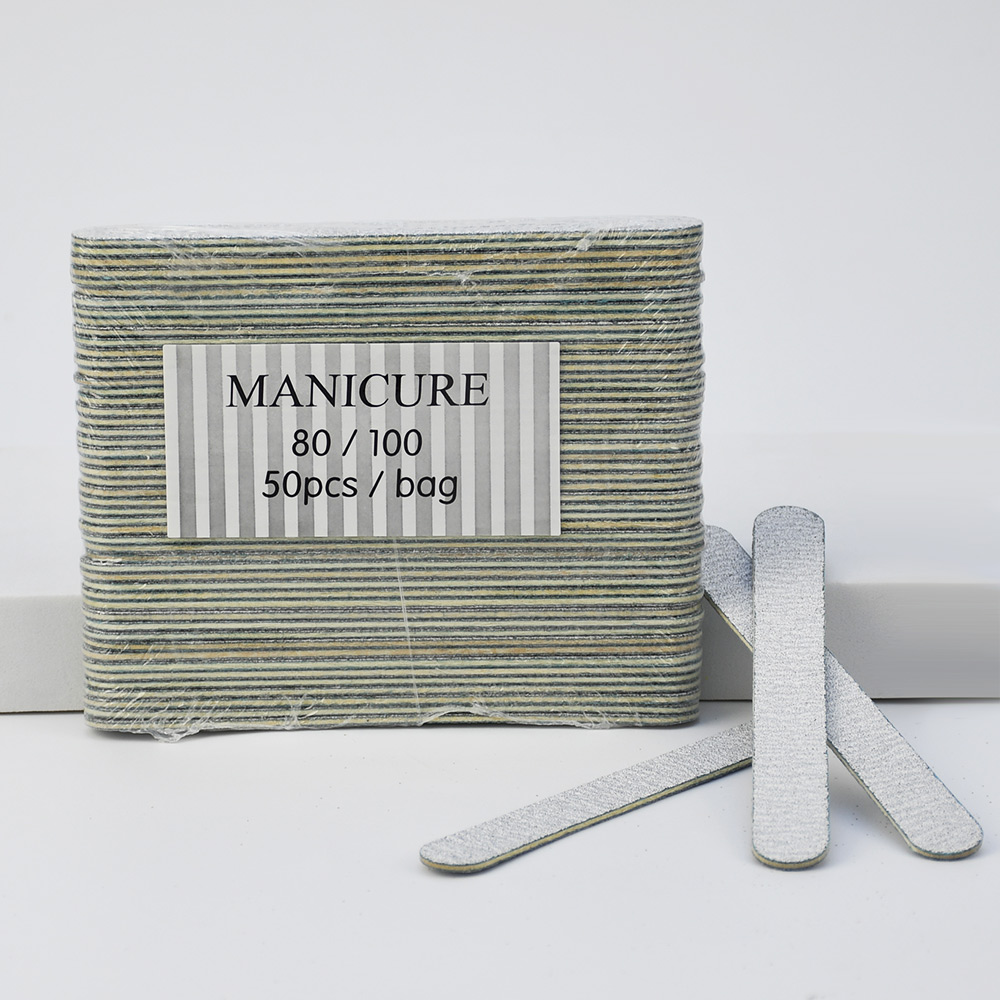
Regular trimming is essential. The moment your short nails start growing beyond your fingertip, they become vulnerable to breakage. Trim them weekly—or more often if they grow quickly. Use sharp, high-quality nail clippers and always cut straight across, then gently round the corners with a fine-grit nail file. Never file back and forth; file in one direction to avoid splitting.
Moisturize cuticles daily. Short nails often have more visible cuticle area, which means dry, ragged cuticles are more noticeable. Apply cuticle oil or a rich hand cream every day, paying special attention to the skin around your nails. Healthy cuticles create a clean frame for your short nails and prevent painful hangnails.
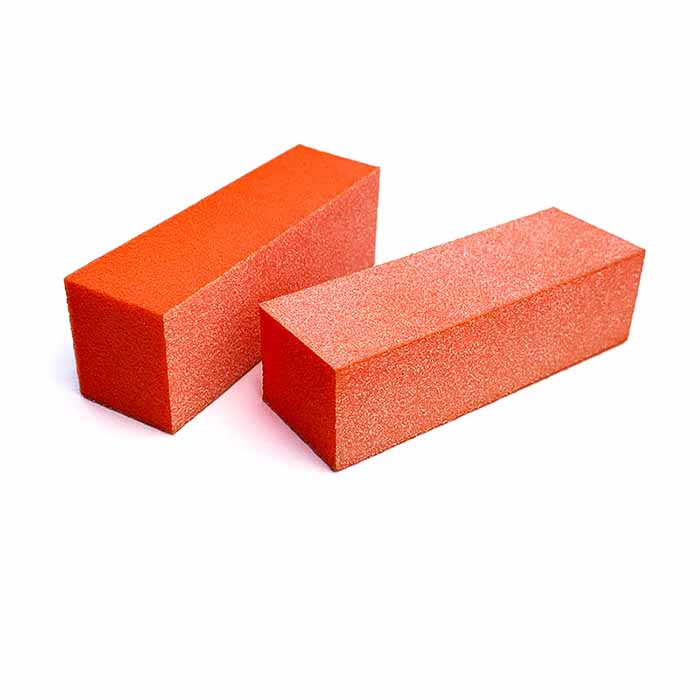
Exfoliate and buff carefully. The shorter nail surface means every scratch and bump is immediately visible. Once a week, lightly buff the nail surface to smooth minor ridges and create a healthy shine. Use gentle pressure and a nail buffer to avoid thinning the nail. Also consider using a gentle cuticle remover weekly to keep the nail plate clean and bright.
Use a strengthening base coat. If your nails are naturally weak, apply a strengthening base coat before any polish. This adds a protective layer that reinforces the nail plate and prevents splitting.
Which Nail Polish Colors Work Best on Short Nails?
The right color can make short nails look longer, more elegant, and more polished.
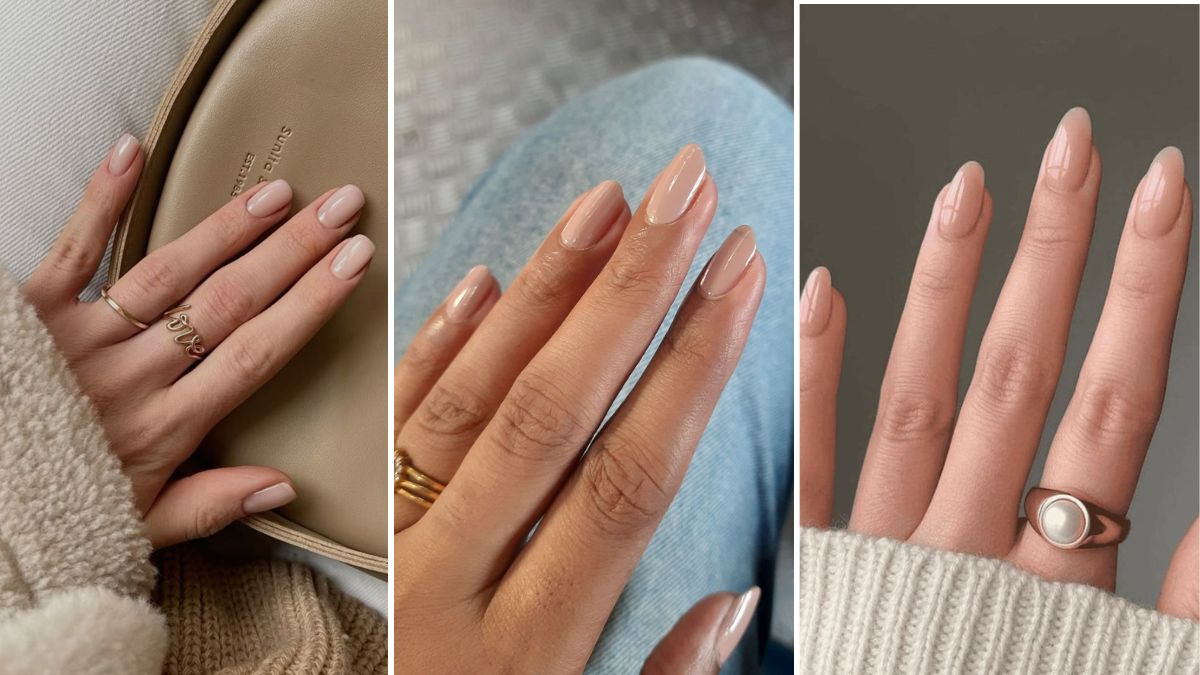
- Nudes and neutrals. A classic nude polish that matches your skin tone creates the illusion of length and looks clean, professional, and timeless. Opt for a shade that’s slightly lighter or slightly darker than your natural skin tone for the most flattering effect.
- Sheer pinks and milky whites. These “your nails but better” shades make short nails look healthy and well-groomed. They add a subtle, polished finish without drawing attention to the nail’s length.
- Deep, rich shades (burgundy, navy, emerald). Contrary to popular belief, dark colors do not “shorten” nails. In fact, deep shades can make short nails look chic and intentional, especially when paired with a glossy top coat.
- Avoid stark whites and fluorescent neons. These colors can draw attention to the nail’s short length and make it appear smaller. If you love neon, try it as an accent toe color rather than on your fingers.
Designs That Make Short Nails Shine
Short nails are the perfect canvas for minimal, delicate designs that enhance rather than overwhelm:
- Minimalist line art. A single thin line, a tiny dot, or a delicate geometric shape adds personality without cluttering the nail.
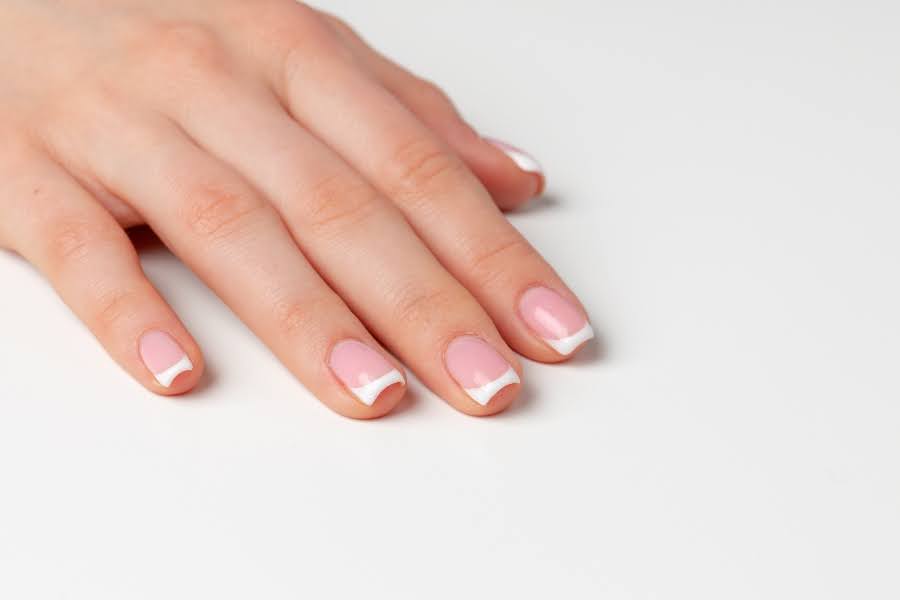
- French tip (thin version). For short nails, a classic French manicure works beautifully when the white tip is kept thin. Even better, try a modern twist: pastel, metallic, or neon tips.
- Negative space. Leaving portions of the nail bare creates a modern, airy look that makes short nails appear elegant.
- Single accent nail. Apply a different color or a small rhinestone to just one nail (usually the ring finger) for a subtle, stylish accent.
- Glossy shine and matte finishes. Sometimes the most striking design on short nails is a flawless high-gloss shine or a sophisticated matte finish. No pattern required.
The Bottom Line
Short nails are not a compromise—they are a conscious choice that offers practicality, strength, and elegance. With the right shape, consistent care, and thoughtfully chosen colors and designs, your short nails can be just as beautiful, stylish, and expressive as any long set. Embrace the length you have, and let your nails speak for themselves.
Read also: Electric Nail File: Your Complete Guide to the Ultimate Nail Tool

One thought on “The Complete Guide to Short Nails: Why They’re Better, How to Shape Them, and Which Designs Shine”