Whether you’re a manicure enthusiast dreaming of salon-quality nails at home or a professional nail technician looking to refine your skills, the electric nail file (also known as an e-file or nail drill) can be a total game-changer. However, it can also be intimidating if you don’t know how to wield it properly. Here is your comprehensive guide to what an e-file is, where to use it, how to pick the right bits, and how to stay safe.
What Is an Electric Nail File?
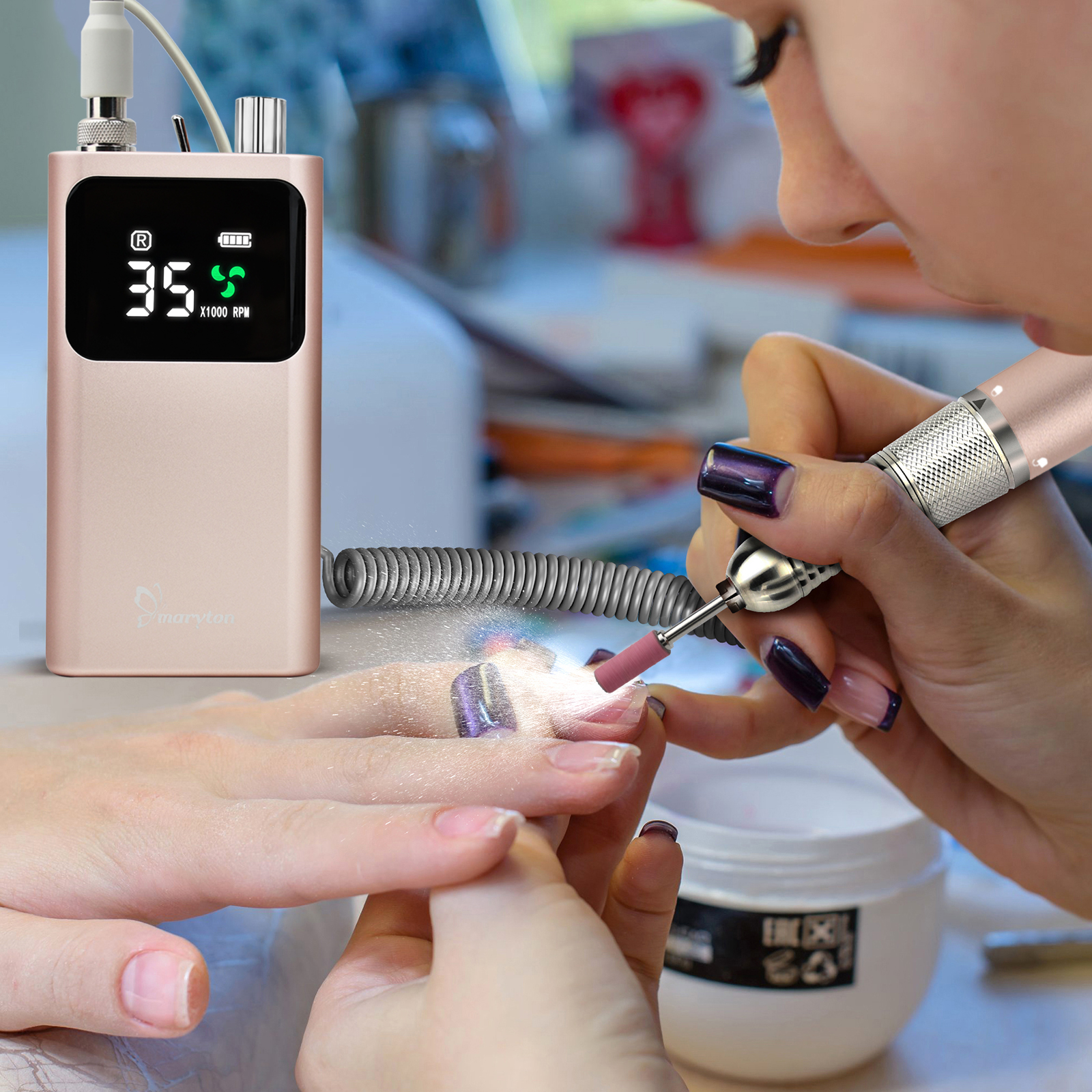
An electric nail file is a handheld, battery-operated or corded device with a rotating head that can be fitted with a variety of attachments known as bits or burrs. Unlike traditional manual nail files that require elbow grease and repetitive motion, the e-file uses a small motor to spin these bits at high speeds, allowing you to precisely shape, smooth, and remove nail product with significantly less effort.
These tools are not just for professionals anymore; modern electric files are lightweight, quiet, and ergonomically designed, making them accessible and effective for home users as well.
Common Uses of an Electric Nail File
An electric nail file is incredibly versatile, capable of performing the work of several different hand tools simultaneously. Here are the most common scenarios where an e-file outshines manual filing:
- Shape and shorten. Even if you aren’t wearing enhancements, an e-file can quickly shape natural nails, especially thicker toenails during a pedicure, saving time and reducing hand fatigue.
- Remove gel and acrylic product. The most popular use of an e-file is to efficiently remove old gel polish, acrylic overlays, or builder gel without laboriously hand-filing.
- Perform cuticle work. With the correct bit, an e-file can safely and cleanly exfoliate the cuticle area and remove dead tissue from the nail plate, creating a clean canvas for polish.
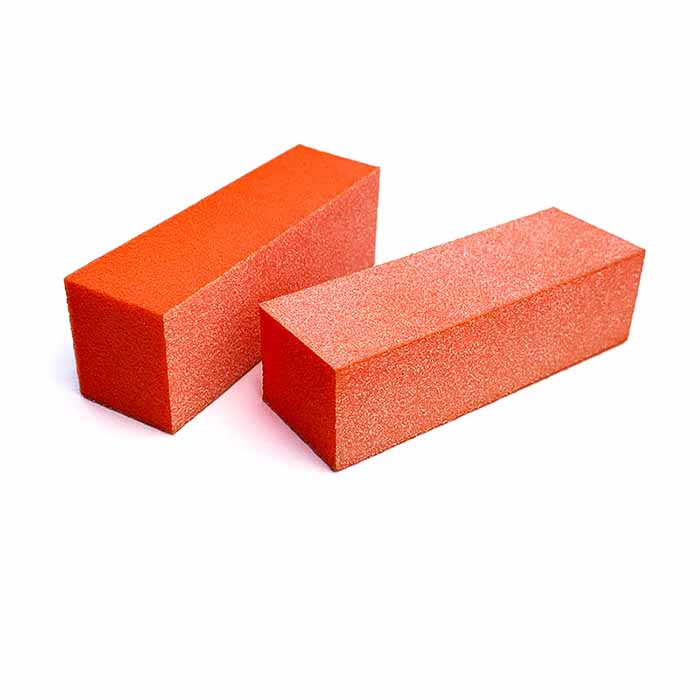
- Smooth and buff. The electric file can be used to smooth ridges on the nail surface and buff natural nails to a high shine faster than a traditional buffer block.
Choosing the Right Bit for the Job
The magic of the e-file lies in the bits. Choosing the wrong bit is the fastest way to damage a nail. Bits vary by material and shape; each is suited for specific tasks.
Bit Materials
- Ceramic bits are ideal for heat-sensitive nails. They are great for gel polish removal and general smoothing.
- Carbide bits are extremely aggressive and efficient at “debunking” or quickly removing thick acrylic or hard gel enhancements. These should be used with caution on natural nails.
- Diamond bits are the most versatile and are essential for cuticle care. The fine diamond particles gently exfoliate without cutting the skin.
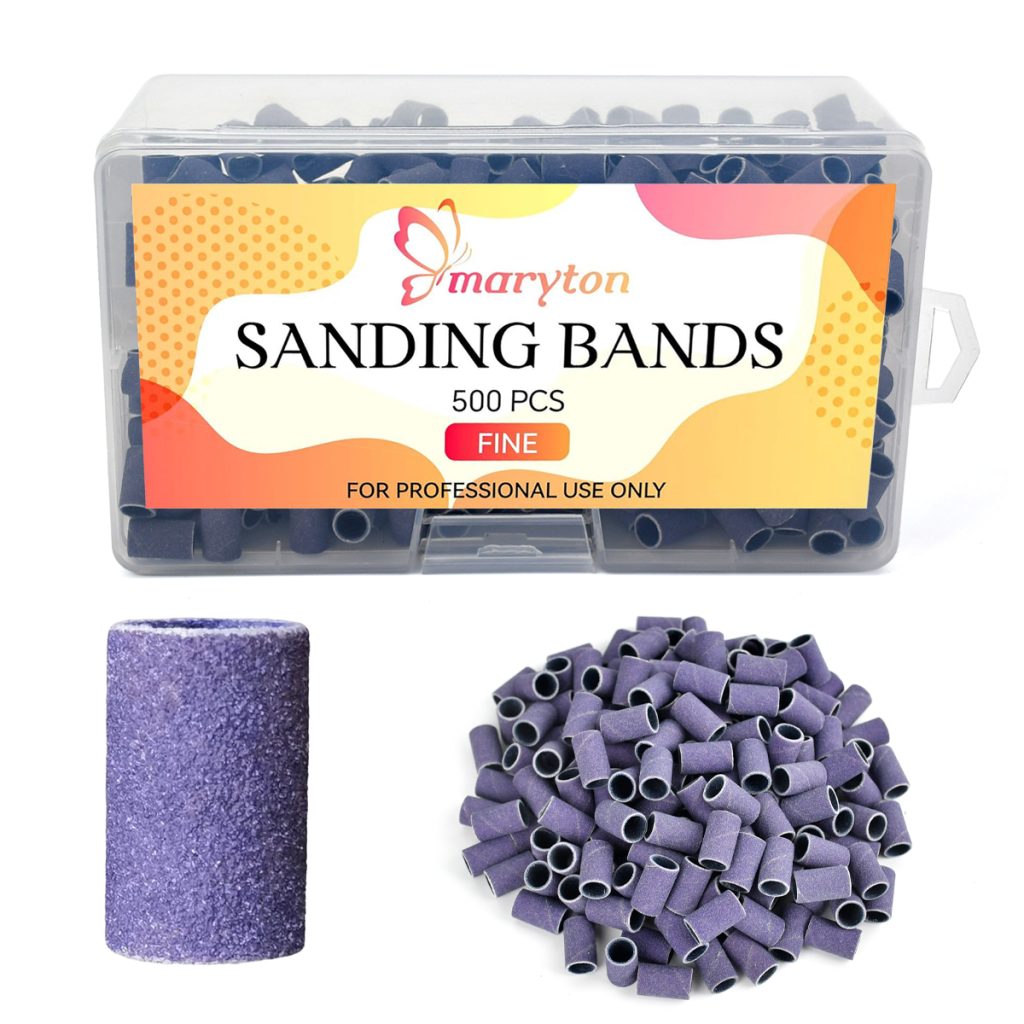
- Sanding bands (on a mandrel) are disposable sleeves that are perfect for beginners. They are excellent for shaping natural nails, removing gel top coats, and light buffing.
Bit Shapes & Their Uses
- Safety Bit / Barrel Bit: This cylinder shape has a rounded, blunt top that prevents accidental nicks. It is best for shortening nail tips and general surface filing.
- Flame or Tapered Cone Bit: Shaped like a teardrop, this is the go-to for cleaning the cuticle area. The pointed tip allows for precision work in the lateral folds.
- Ball Bit: The spherical shape is specifically designed for exfoliating dead skin around the cuticle and the underside of the nail plate.
- Needle or Fine Cone Bit: An extremely narrow bit used for cleaning deep sidewalls and removing polish residue from tight spaces.
Essential Safety Tips and Precautions
While incredibly useful, an e-file can cause severe damage if mishandled. Always follow these safety guidelines.
Master your speed. Low speed is for safety. For delicate cuticle work, stick to low speeds between 2,500 and 6,000 RPM. For removing bulk acrylic, you can increase to 15,000–20,000 RPM. Beginners should always start at the lowest setting possible.
Float, don’t force. Never press down on the nail. The bit should float across the surface using light, feathery strokes. Excessive pressure creates heat friction, which can burn the nail bed and cause deep grooves known as “rings of fire”.
Keep the bit moving. Staying in one spot for more than a second will generate excess friction and burn the client. Always keep the bit gliding in smooth, continuous motions.
Practice proper hygiene. Bits come into contact with skin and product debris, making them a breeding ground for bacteria. Remove debris with a wire brush, wash with warm soapy water, and soak in 70% isopropyl alcohol or a disinfectant solution to kill germs.
Wear safety gear. The filing process creates a fine dust cloud. When filing artificial nails, always wear a dust mask to avoid inhaling micro-particles, and consider safety glasses to prevent dust from entering the eyes.
An electric nail file is a powerful instrument that elevates nail care from a chore to an art. By respecting the tool, choosing the correct bit for each task, and prioritizing safe speed and pressure, you can achieve flawless, professional results with minimal risk to the natural nail.
Read also: The Timeless Appeal of French Nails and How to Master Them