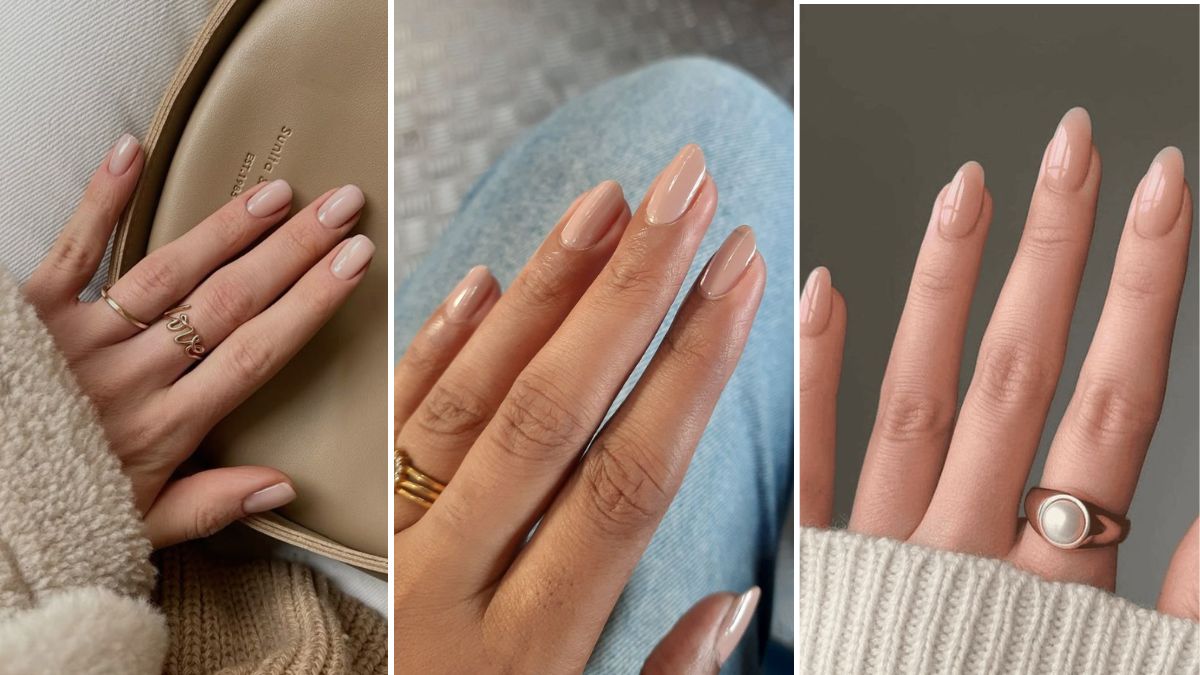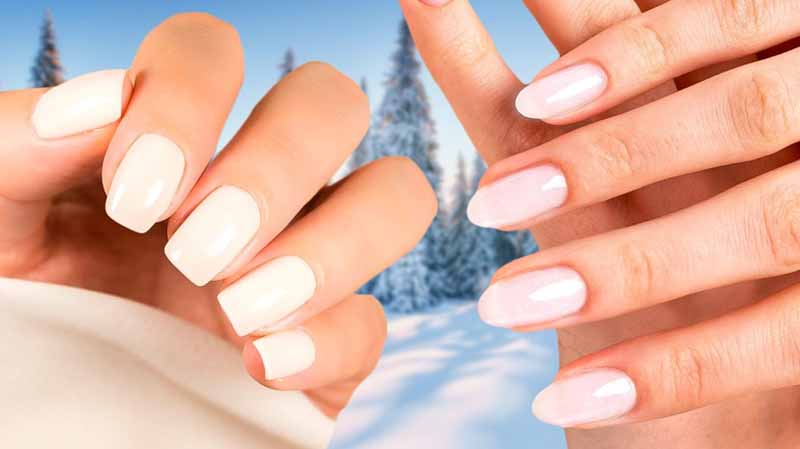
Milk nails have become one of the most popular manicure trends in recent years. They are soft, creamy, and quietly elegant. Instead of a bold colour or a sharp design, milk nails use a translucent white or off-white polish to create a gentle, milky wash over the natural nail. The result looks clean, healthy, and effortlessly polished.
This trend is closely related to the “clean girl” aesthetic, soap nails, and glazed donut nails, but it has its own identity. It is minimal without being boring. It is modern without being loud. And it suits almost everyone.
What Are Milk Nails?
Milk nails are a manicure style that uses sheer, milky white polish. The colour is not stark white. It is creamy, soft, and slightly translucent. It looks like a few drops of milk stirred into clear polish. The natural nail can still be seen underneath, which gives the manicure a healthy, natural appearance.
Milk nails can be worn alone for a subtle wash of colour, or layered over a sheer nude or pale pink base for more coverage. They can also be finished with a glossy top coat for a glass-like shine, or with a pearl or chrome powder for a soft, luminous glow.
The key feature is the colour. It is white, but it is not harsh. It is warm, diffused, and flattering. It makes the hands look clean, soft, and well cared for.
Milk Nails vs. Baby Boomer Nails
Milk nails and Baby Boomer nails are often confused, but they are different styles.
Baby Boomer nails are a French fade. They feature a sheer pink or nude base that gradually blends into a white tip. The focus is on the tip. The gradient goes from the cuticle to the free edge, creating a soft ombré effect. It is essentially a softer, modern version of the French manicure.
Milk nails do not focus on the tip. They feature an all-over milky white wash. There is no gradient from base to tip. The colour is uniform across the nail, though it can be layered for more opacity. It is simpler and more minimal than a Baby Boomer. It is also more forgiving, because there is no defined tip line to maintain.
In short: Baby Boomer is a fade. Milk nails are a wash.

Why Milk Nails Are So Popular?
Milk nails have become a major trend for several reasons.
First, they fit the shift toward natural, low-maintenance beauty. People want nails that look healthy and polished without appearing heavily done. Milk nails deliver exactly that. They enhance the natural nail rather than covering it completely.
Second, they are versatile. They work with every outfit, every season, and almost every occasion. They are appropriate for a job interview, a wedding, a weekend brunch, or a casual day at home. They pair beautifully with gold and silver jewellery and with both bright and neutral wardrobes.
Third, they are flattering. The soft, milky colour makes the hands look clean and youthful. It can elongate the fingers and make the nail bed appear longer. It also hides minor imperfections, such as ridges or slight discoloration, better than a clear polish.
Fourth, they are easy to maintain. Because the colour is sheer and close to the natural nail, regrowth is less noticeable than with bold colours. Small chips are also less obvious. This makes milk nails a practical choice for busy people.
Finally, they are a perfect canvas for personalisation. You can add a micro French tip, a single pearl, a thin gold line, or a soft glazed finish. You can keep them simple or make them your own.
How to Create Milk Nails at Home?
You do not need a salon to get milk nails. With a few nail supplies and a little patience, you can create them at home.
You will need a base coat, a sheer milky white polish or gel, a top coat, a nail file, a buffer, a cuticle pusher, and lint-free wipes with rubbing alcohol. If you are using gel, you will also need a UV or LED lamp.
Start with clean, dry nails. Remove old polish. Shape the nails with a fine-grit file. Push back the cuticles gently. Lightly buff the nail surface to remove shine. Wipe each nail with rubbing alcohol or a dehydrator. Do not touch the nails after this step.
Apply a thin base coat and let it dry or cure. Then apply the milky white polish in thin layers. One coat gives a sheer, barely-there wash. Two coats create the classic milky look. Three coats give a more opaque, creamy finish. Always use thin layers. Thick layers streak, bubble, and peel.
If you want more coverage, apply a sheer nude or pale pink base before the milky white. This helps mask ridges and staining and gives the white something to blend into.
Seal with a glossy top coat. Cap the free edge to prevent chipping. If you are using gel, cure each layer under the lamp and wipe away the inhibition layer at the end. Finish with cuticle oil.
Best Nail Shapes for Milk Nails
Milk nails look beautiful on almost any nail shape, but some shapes are especially flattering.
Short squoval and oval nails are ideal. The soft, rounded edges complement the milky colour and create a clean, elegant look. Round nails also work well, especially for people with active lifestyles.
Almond nails look stunning with milk nails. The tapered shape elongates the fingers and gives the manicure a graceful, feminine feel. Medium-length almond is particularly elegant.
Square nails can work if the edges are softened. A squoval shape is better than a sharp square because it looks more natural with the soft milky colour. Very long coffin or stiletto nails can also wear milk nails, but the effect is more dramatic and less subtle.
In general, milk nails look best on short to medium lengths. The colour is soft and understated, so it does not need a lot of length to make an impact.
Choosing the Right Milky Shade for Your Skin Tone
The right milky white depends on your skin tone. The goal is to find a shade that blends with your skin and enhances your natural colour.
If you have fair skin with cool undertones, look for a milky white with a hint of blue, grey, or cool pink. Avoid warm, yellow-based whites, which can make fair skin look flushed.
If you have fair skin with warm undertones, choose a creamy white with a touch of peach, vanilla, or ivory. These shades complement golden undertones and look soft and luminous.
If you have medium or olive skin, warm milky beiges and vanilla whites are beautiful. A milky white with a slight peach or golden base flatters olive skin and prevents the nails from looking ashy.
If you have deep or dark skin, choose a milky white with a warm, golden, or caramel base. Avoid stark, blue-white shades, which can look chalky. A warm milky white or a sheer milky beige looks rich and elegant.
If you are unsure, test a shade in natural daylight. Paint one nail and step outside. If the colour blends with your skin and makes your hands look healthy and bright, it is the right shade for you.
Final Thoughts
Milk nails are soft, elegant, and endlessly wearable. They offer a clean, polished look without the commitment of a bold colour. They are different from Baby Boomer nails because they are an all-over milky wash rather than a tip-focused fade. They are popular because they are natural, versatile, and easy to maintain. With a few simple products, you can create them at home. Choose a shade that suits your skin tone, pick a flattering shape, and enjoy a manicure that looks effortlessly beautiful.
Read also: The Baby Boomer Manicure: Why This Elegant Style Remains a Timeless Favourite